Hands-on production
Every day includes guided coding, exercises, debugging practice, and a concrete Python output.

A practical 6-day bootcamp for students who already know Python fundamentals and OOP, then want to understand Python internals, callables, decorators, iterators, dictionaries, descriptors, metaprogramming, and advanced code design.
This is one 6-day Python path for students who already understand variables, loops, functions, data structures, and OOP basics. The training goes deeper into how Python really works.
The bootcamp is built for students who already passed the basics and want a deeper technical understanding of Python: memory behavior, namespaces, scopes, callables, decorators, iterables, generators, dictionaries, serialization, descriptors, and metaprogramming.
Every day includes guided coding, exercises, debugging practice, and a concrete Python output.
Useful for engineering, CS/CE, data, automation, research, and students ready to build more serious Python projects.
Students package advanced exercises, reusable utilities, and a final project into work they can explain and reuse.
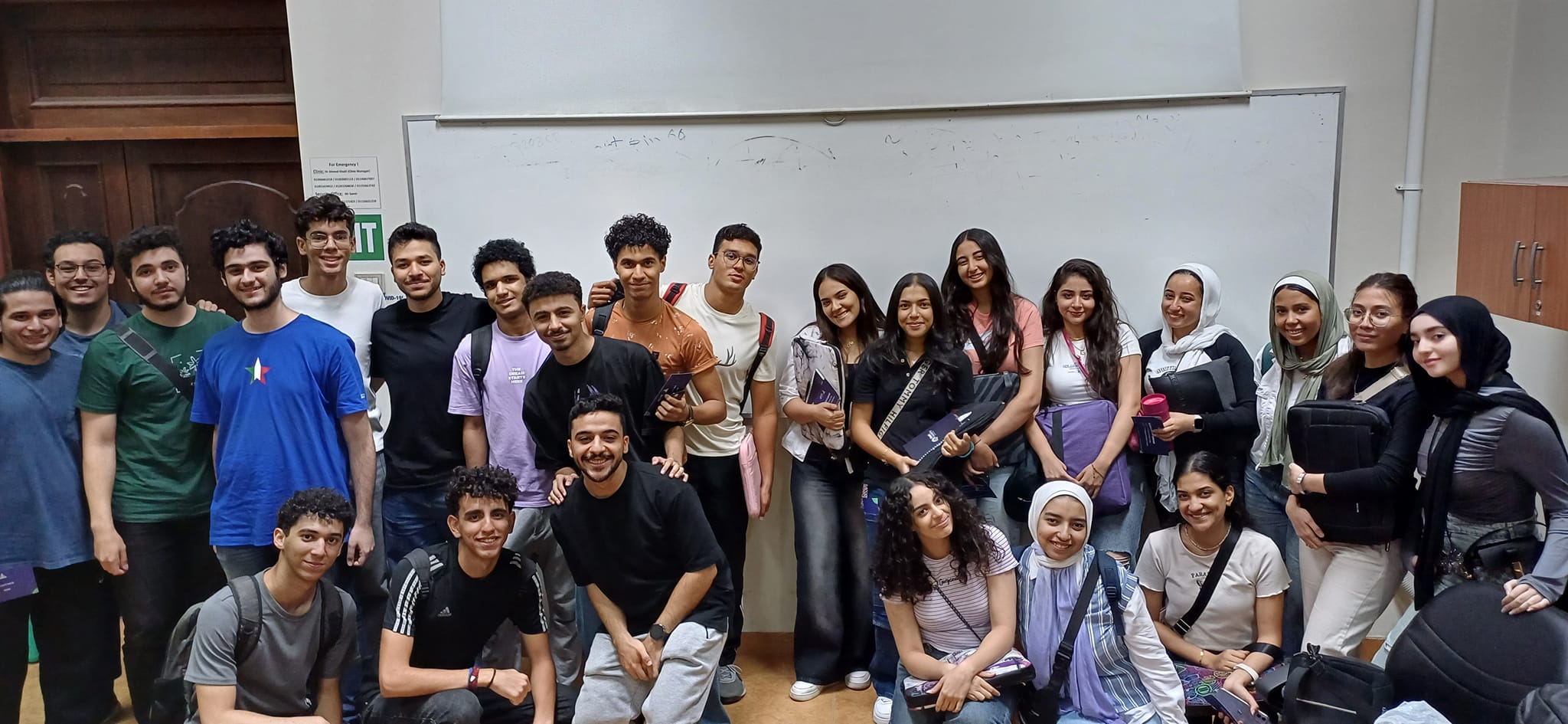
The training style focuses on live coding, guided practice, debugging, code review, deep examples, language behavior, common pitfalls, and a final capstone that students can explain clearly.
One practical path after fundamentals and OOP: understand Python execution, master callables and decorators, work with iterables and generators, use mappings deeply, then apply advanced OOP.
Students start by looking under the hood: how Python executes code, stores names, manages memory, evaluates scopes, and handles numerical types.
Students go deep into functions as objects, closures, lambdas, functional tools, and decorators that change behavior without changing the original callable.
Students learn the protocols that power Python loops, comprehensions, lazy evaluation, generators, and safe resource management.
Students go deep into associative arrays, hash tables, dictionaries, sets, custom hash behavior, specialized mapping types, and serialization.
Students revisit OOP at a deeper level: binding, properties, descriptors, slots, enumerations, custom exceptions, and class design tradeoffs.
Students finish with Python's module/package system, metaprogramming ideas, idiomatic best practices, and a final project that connects the deep-dive topics.
Students leave with a Python deep-dive portfolio that shows they understand language behavior, advanced callables, iterators, mappings, serialization, OOP internals, and common pitfalls.
Assessment focuses on deep understanding, practical implementation, explanation quality, and the final project.
Measures whether students can implement and explain each advanced Python concept.
Looks at live coding, debugging, questions, experiments, and reasoning about Python behavior.
Students demo their Python deep-dive project, explain design choices, and defend the implementation.
Quick answers for students before joining the Python Deep Dive bootcamp.
It is an advanced deep-dive course. It assumes students already know Python fundamentals and basic OOP, then goes into internals, decorators, iterators, mappings, descriptors, metaprogramming, and capstone delivery.
The bootcamp is 6 days and 30 total training hours. Each day has guided coding, exercises, and a practical deliverable.
Yes. Students should already understand variables, loops, functions, basic data structures, and OOP basics before joining.
Students package a Python deep-dive capstone with code, examples, README, advanced language features, and a short technical demo.
